
Whoa! I remember the first time I held a crypto card wallet—it felt oddly familiar, like a credit card crossed with a spy gadget. My instinct said this was going to change everyday custody, though actually I wasn’t fully sure how. The simplicity hooked me fast; you tap, authenticate, and move on. But the nuance is where things get interesting, and somethin’ about that simplicity hides complexity.
Here’s the thing. NFC cards are tiny hardware wallets that sit in your pocket. They don’t need wires or a battery to interact with your phone, which is wild when you think about it. On the surface they look like expensive business cards, but underneath they’re secure elements and cryptographic keys wrapped in a slick casing. Users often treat them like magic until they want to recover a seed, and then questions pile up.
Really? People still ask if it’s safe to tap a card in public. Yes, it’s safe—most of the time—but you need to understand the attack surface. The card can’t be “phished” via email, and it doesn’t expose keys to apps, which cuts out a lot of common threats. Still, there’s no such thing as absolute security, and a few failure modes deserve attention.
Initially I thought a card wallet would be mainly for convenience. Then I tested a dozen models across real-world pockets and real pockets of gas station receipts, and I changed my tune. Some of these cards, when paired with a trusted app, gave me near-instant signing with minimal fuss. But wait—there were compatibility quirks and firmware nuances that made the difference between a pleasant experience and a headache.
Hmm… I want to be clear about what a card does and doesn’t do. Short version: it stores private keys in a tamper-resistant element and uses NFC to sign transactions. Longer version: transaction formatting, app mediation, and network broadcasting are handled by your phone or desktop, so the card never leaves the safety boundary of its secure element. That design reduces risk but it also places responsibility on the software layer.
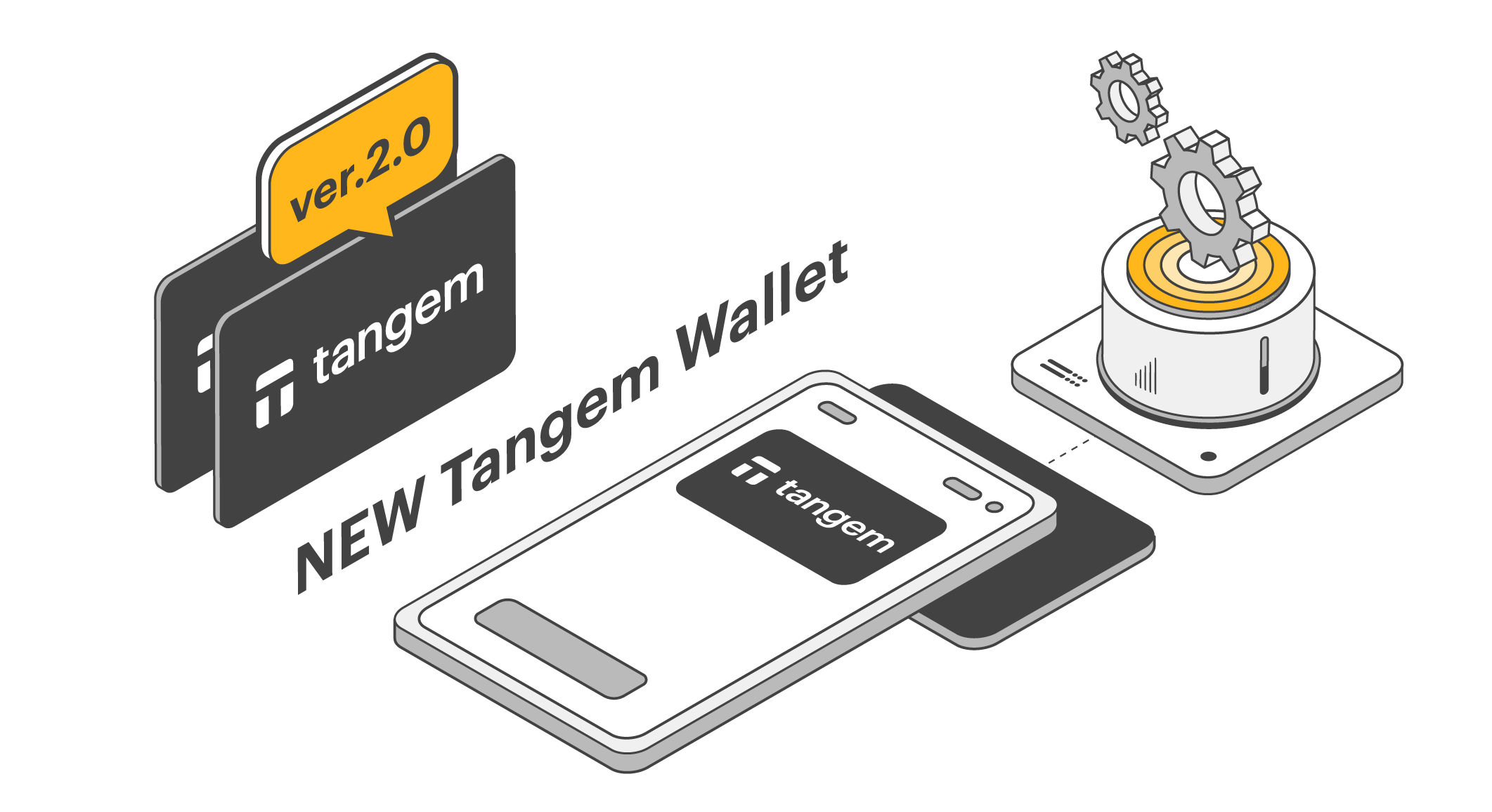
Okay, so check this out—Tangem-style cards pioneered a lot of what consumers now expect from card wallets. They ship as single-use, pre-provisioned secure elements that pair instantly, which can be amazing for onboarding newbies. I’m biased, but that frictionless setup is a major advantage in the consumer market. If you want to see one of these approaches in action, check out https://sites.google.com/cryptowalletextensionus.com/tangem-wallet/.
Wow! There’s also the question of recovery. Some cards use custodial recovery or mnemonics stored separately, while others support multi-card backup strategies. You can, for example, split a recovery across two cards, or combine on-card keys with a paper backup for redundancy. These approaches each have trade-offs in convenience versus attack surface, and that’s where design decisions really matter.
I’m going to be practical about PINs and physical security. A PIN on the card can prevent quick access if someone steals it, but if the thief has time and advanced tools, no PIN is foolproof. On the other hand, if you treat the card like a credit card and keep it in a wallet, many common theft vectors are mitigated. Also—this part bugs me—people still leave seeded backups as photos on cloud services, which defeats the whole point.
Seriously? People underestimate NFC range. NFC’s practical range is short, typically a few centimeters, which is good for security. But small does not mean impossible to intercept in theory, and advanced attackers with specialized gear could try to snoop. For normal users, though, the risk is negligible compared to phishing or SIM swaps. So focus on the big threats first.
On one hand, cards dramatically reduce the attack surface by isolating private keys. On the other hand, they can create single points of failure if you don’t plan backups properly. Initially I favored single-card convenience; later I adopted a two-card redundancy strategy that felt safer, though slightly more cumbersome. It’s a trade-off, and your appetite for risk should guide your setup.
Here’s where the UX matters. Good card-wallet apps communicate clearly about transaction data before signing, while poor apps hide details or present confusing gas estimates. My testing showed that the best combinations of card and app reduce cognitive load without hiding critical info. The worst experiences were when the app tried to be “smart” and decided gas or token paths without user consent. That part annoyed me, very very annoying.
Hmm… let’s talk compatibility. NFC wallets work great with Android devices that support Host Card Emulation and have NFC stacks that play nicely. iPhone support is improving, but historically it’s been more restrictive due to Apple’s NFC API limitations. If you live in an ecosystem dominated by iPhone, check compatibility before you buy one. Also—minor tangent—older phones with flaky NFC chips can ruin the experience, so test with your device.
Wow! Developers should be applauded for building robust SDKs that let hardware cards integrate with wallets and dApps. However, cross-wallet UX consistency is sorely needed. When every app formats transactions slightly differently, users get confused and mistakes happen. Longer-term, standards and better app-level checks will reduce that friction, though adoption takes time and coordination across projects.
I’ll be honest: I have trade preferences. I prioritize offline-first security and minimal trust, which biases me toward non-custodial card setups. Some readers will prefer custodial convenience, and that’s fine if you understand the trade-offs. Not everyone needs the same level of security, and a one-size-fits-all recommendation would be dumb.
Here’s the takeaway in practical terms. Buy a reputable card from a known vendor. Test it with your actual phone before moving large funds. Implement at least one form of backup that doesn’t live online, and treat the card like a high-value key rather than a disposable trinket. These steps won’t guarantee safety, but they’ll shift odds in your favor.
Really? There’s more to think about, like firmware updates and supply chain trust. Cards that allow signed firmware updates are better in theory because they can receive security patches, yet each update path must be audited. Supply chain attacks are rare, but they’re plausible, so buying from trusted channels and checking hardware authenticity matters. I can’t say you should be paranoid, but healthy skepticism pays.
On a closing note—I’m curious and slightly optimistic. Card wallets don’t solve every problem, yet they elegantly address many of the pain points users face with keys. They feel like a bridge between crypto’s early technical era and a more consumer-ready future, though there’s still work to be done. If you’re exploring card-based hardware wallets, take small steps, test, and keep learning; the tech moves fast and so should your habits.
Quick FAQs
How secure are NFC card wallets compared to seed phrases?
They can be very secure because private keys are stored inside a tamper-resistant chip, reducing exposure compared to a plain seed phrase. However, seed phrases provide easier offline backup and recovery options, so many users combine both strategies depending on threat model.
Can I use an NFC card with any phone?
Most modern Android phones work well, while iPhones have improving support but may be limited by OS restrictions. Always test compatibility with your device before relying on a card for large balances.
What if I lose my card?
Recovery depends on how you set up backups; without a backup you could lose funds. Consider multi-card backups or offline mnemonic storage, and avoid storing recovery on cloud photos or email.